TEACHING PORTFOLIO

Teaching Philosophy
The most important aspect in my career as an educator is to be there and be present for my students. I want my students to deeply understand that their value is not rooted in grades and data. I want my students to recognize that they each have a unique set of skills, original ideas, and opinions that are valued in my classroom.
As a kid with ADHD who struggled with my own executive functioning skills, school was never my strong suit. I loved being able to learn new information and was always; “a pleasure to have in class”. But when it came to homework, tests, and quizzes, I was out of my depth. It was an overwhelming tide, and it crushed my enthusiasm for learning. I keep up, and all I wanted was for someone to recognize how hard I was swimming against the tide. I wanted someone to see I was drowning and throw me a lifeline.
It was theatre and theatre education that ultimately became my lifeline. It is one of the few subjects that allows for the type of educational flexibility and personal input I needed in order to gain academic confidence. When giving out grades, I never judge based on the “quality” of the work. If you show up, participate, and lead with your whole authentic self, that is all I could ask for as a teacher.
Secondary to my personal journey, my educational pedagogy is rooted in “the internet of it all”. When I began my student teaching semester, I noticed the overwhelming presence of AI and internet culture in the classroom. Of course, my own academic journey was tethered to technology by way of the pandemic and social media. It is an all-consuming force in the lives of young people today. It’s the place to connect with peers. It's the place to express themselves. And it remains permanently visible for everyone to see. Screens can’t replace the learning that happens when students are interacting in the same space. How are kids supposed to take risks and fail when it is posted on the internet as a permanent record?
This is why theatre education has become an incredibly valuable asset in a student's academic experience. The skills developed in theatre education are applicable across all subject areas. You can’t do character work if you don’t know what makes a person (including yourself) unique. You can’t act in a scene without collaborating with a physical scene partner. You can’t learn how to make big choices without being willing to get a little silly. Theatre class is a space for kids to safely learn and develop as humans without the pressure of social media or the internet. There is no room for AI in the theatre classroom because theatre is fundamentally rooted in thinking for oneself.
So many schools are wondering how we can keep up with the rise of social media and AI. My answer is theatre.
Lesson Plan
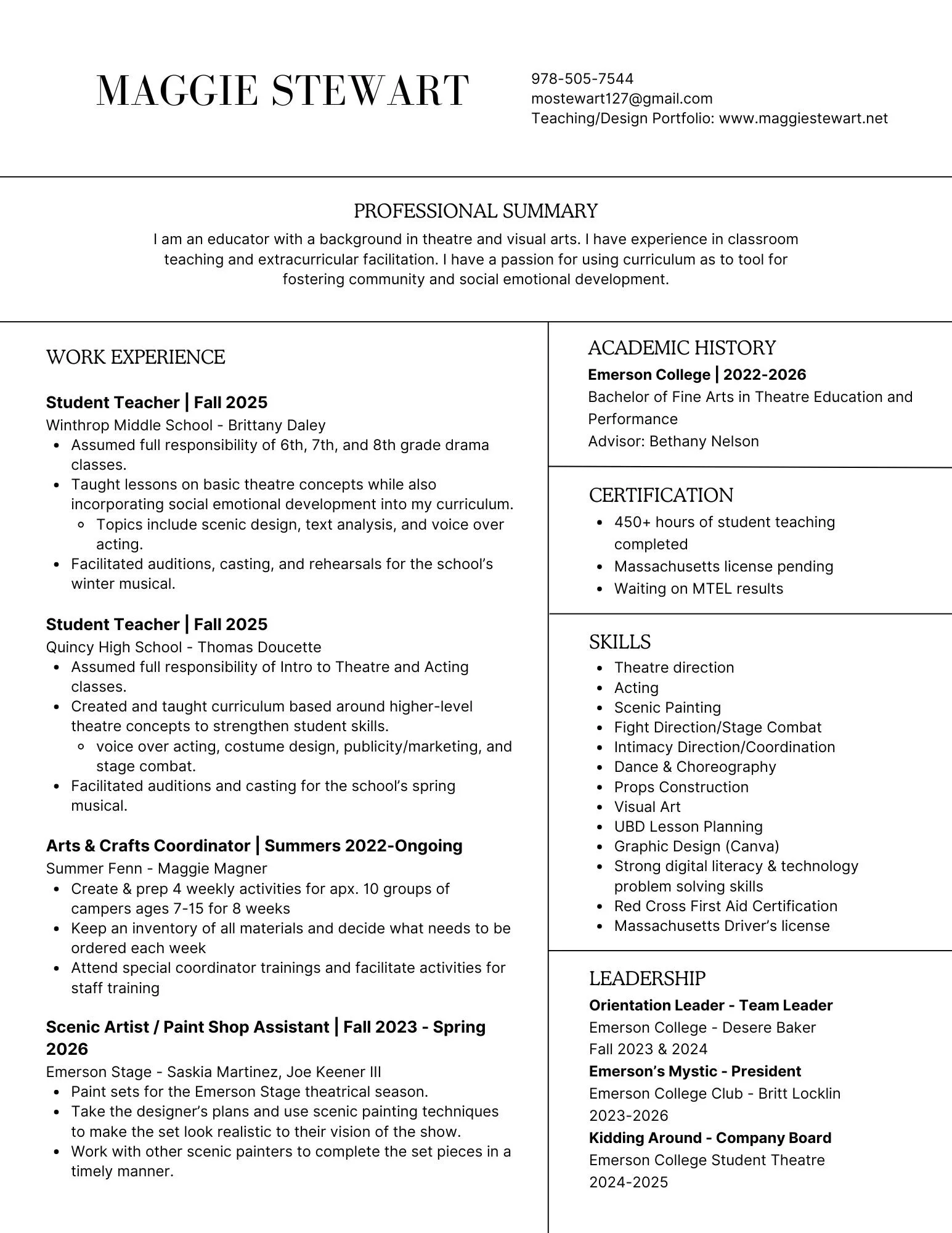
Teaching Resume
STUDENT WORK
Dub Project
For 8th-grade drama class & high school acting class
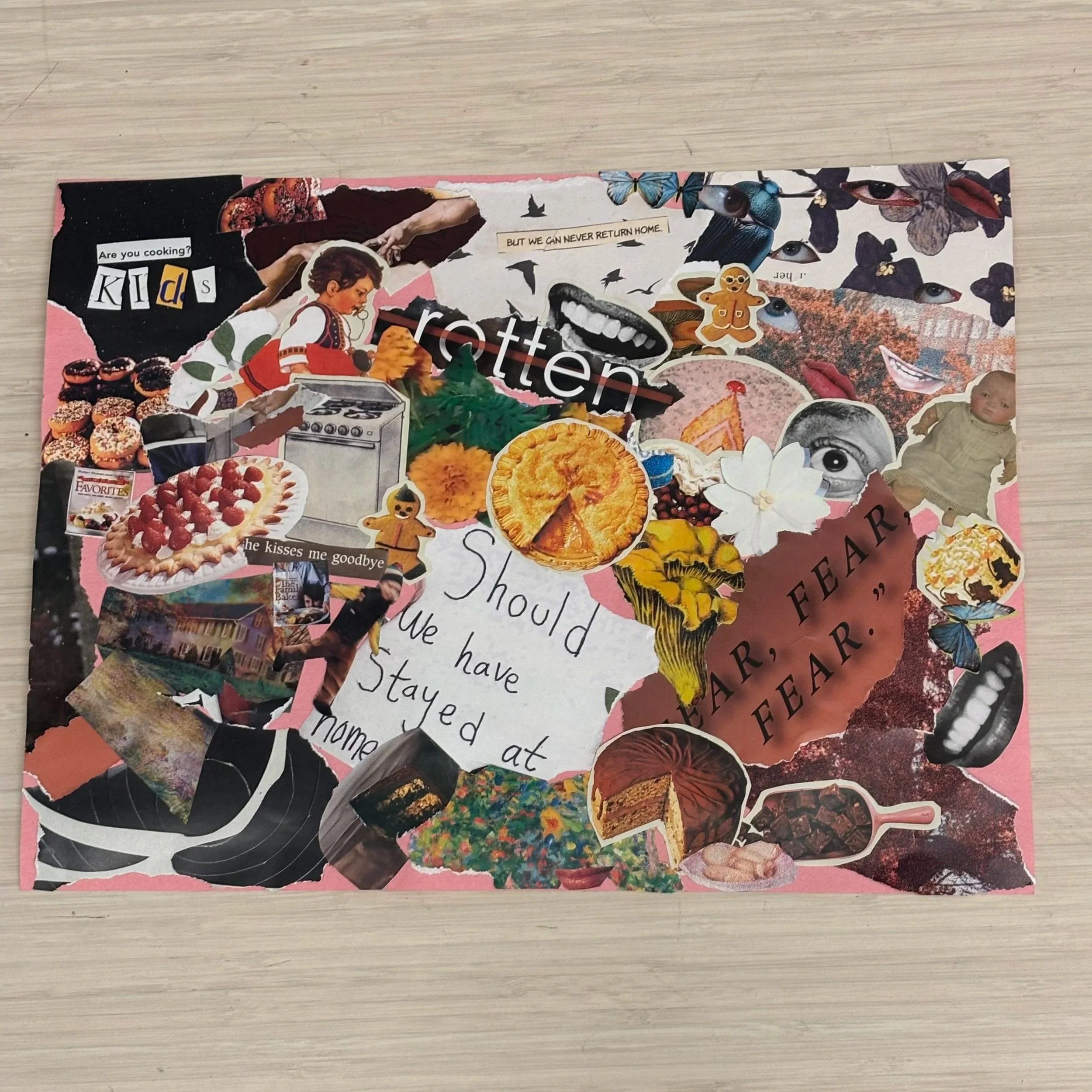
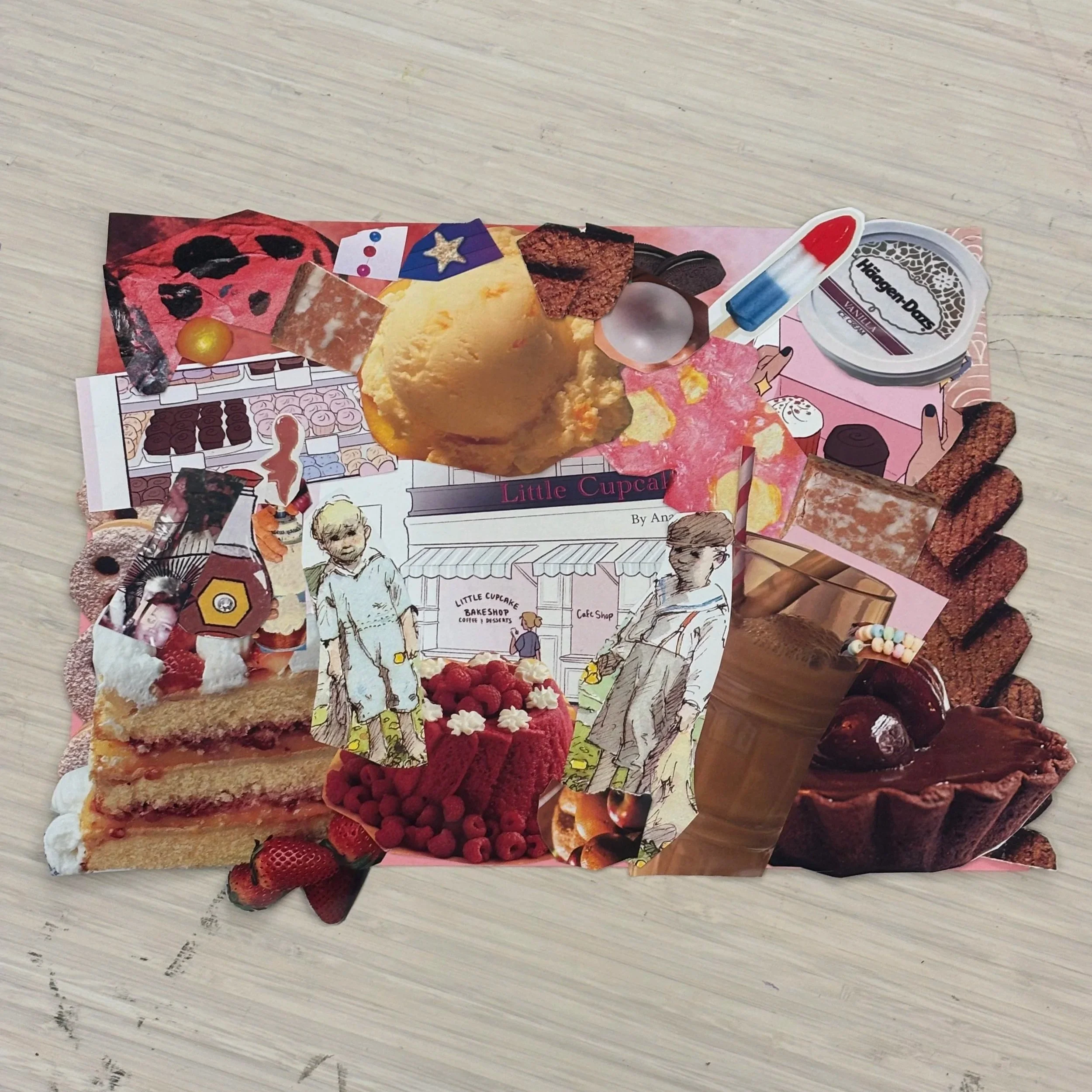
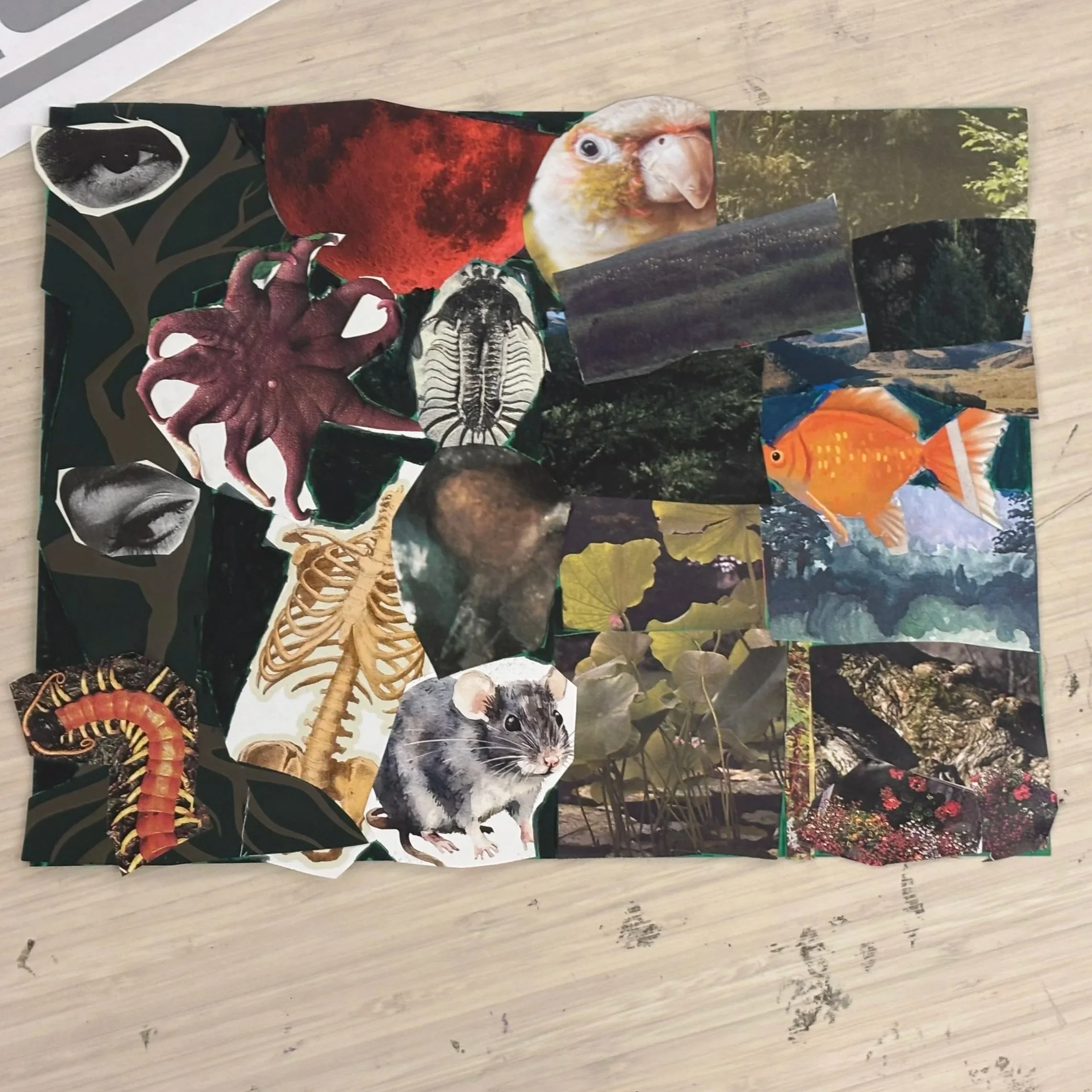
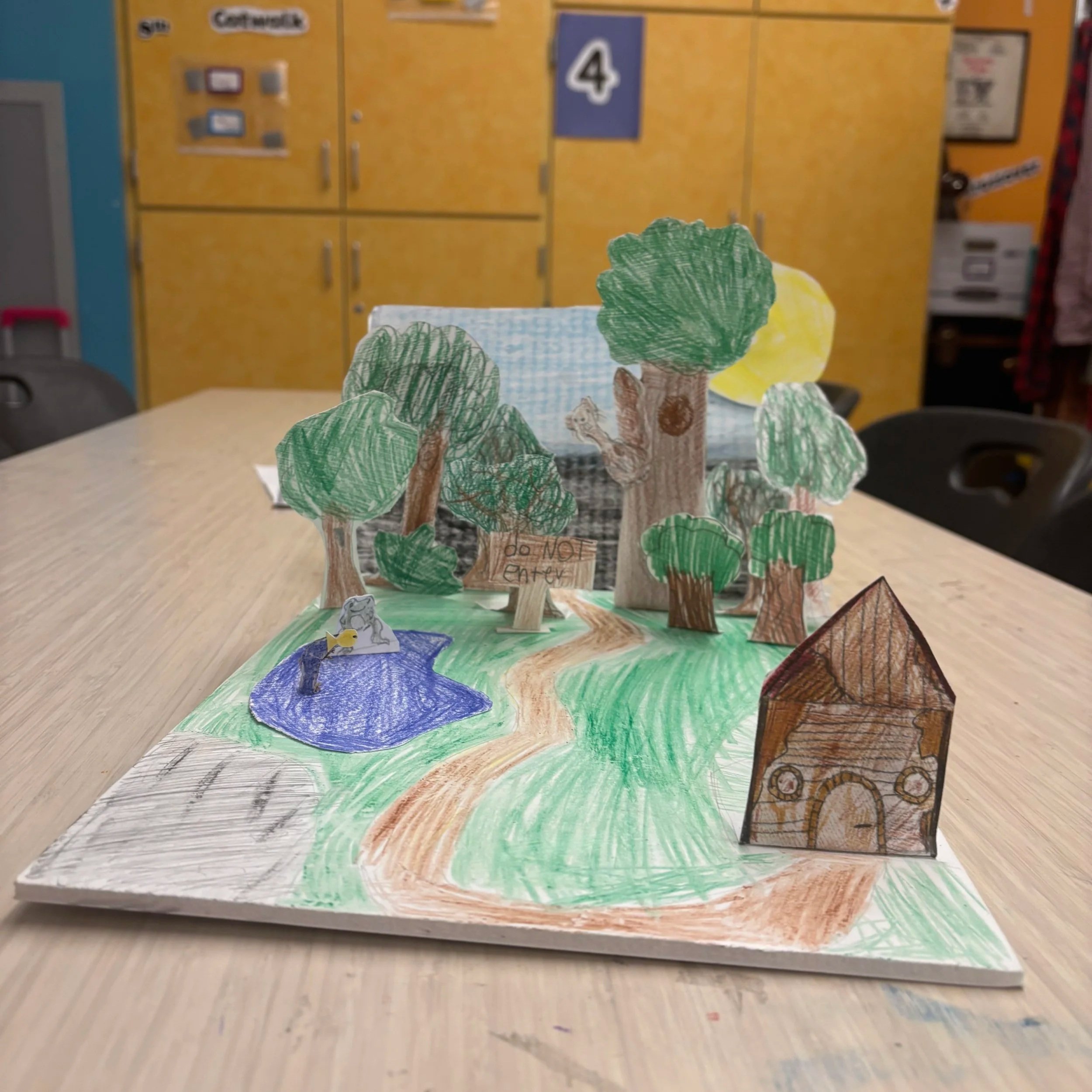
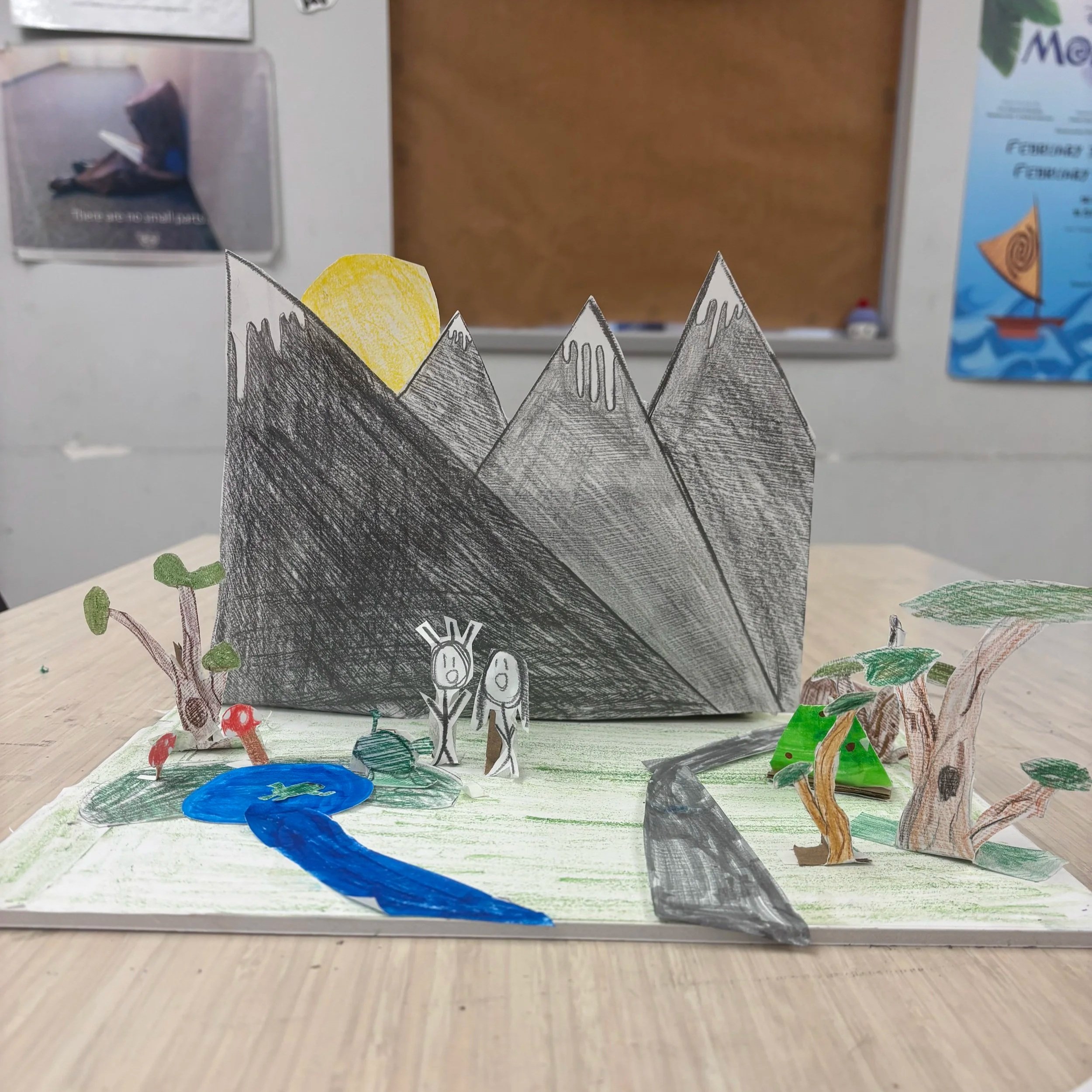
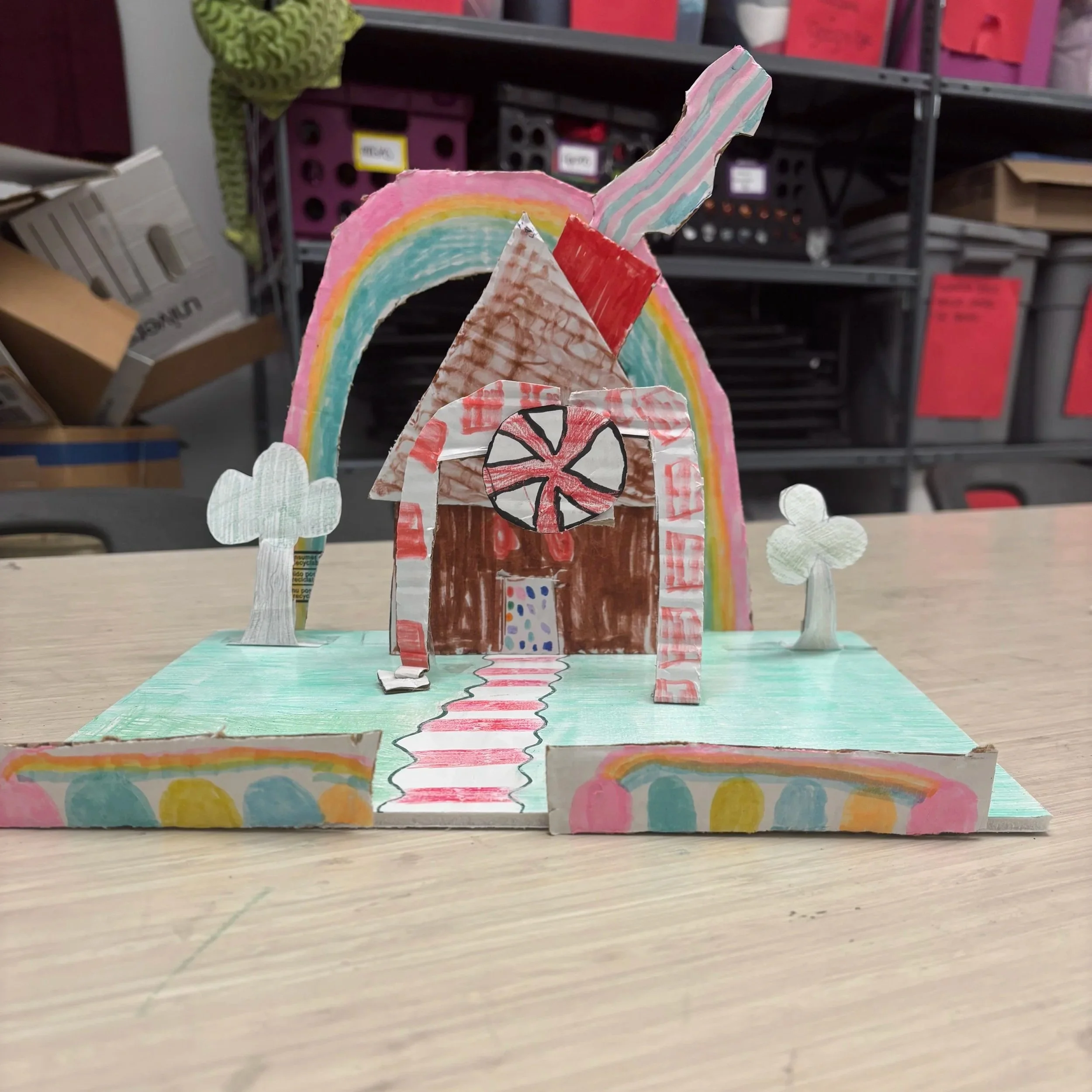
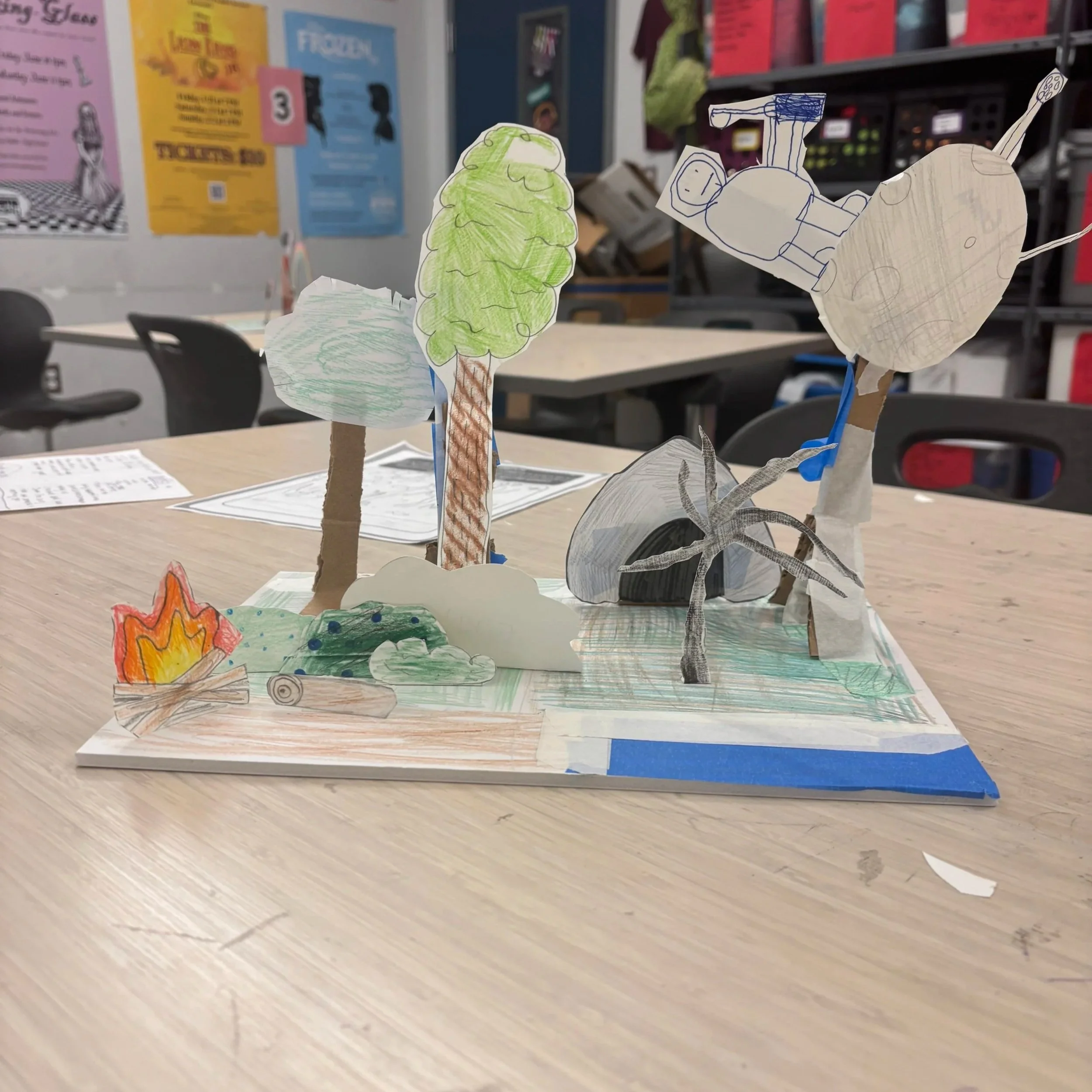
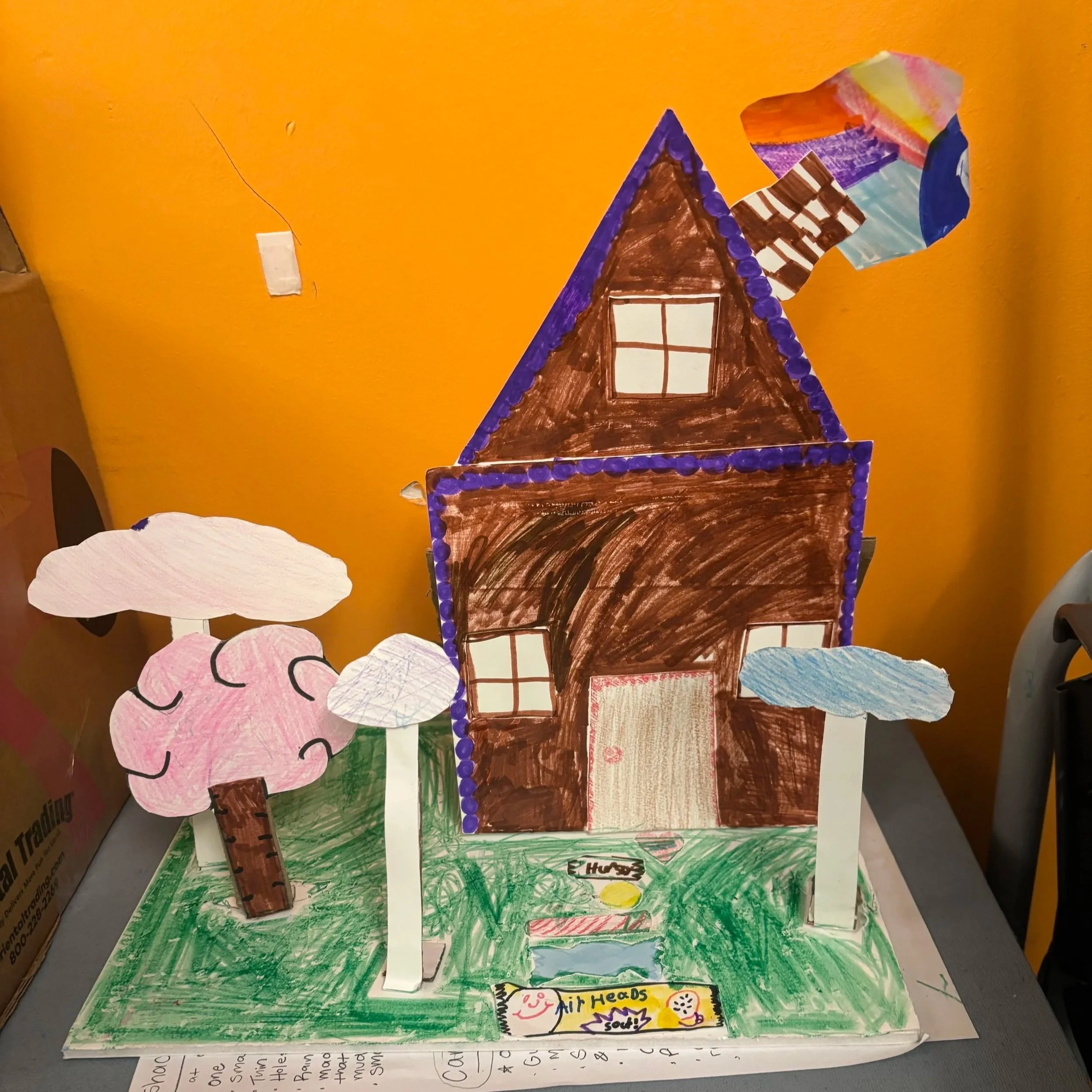
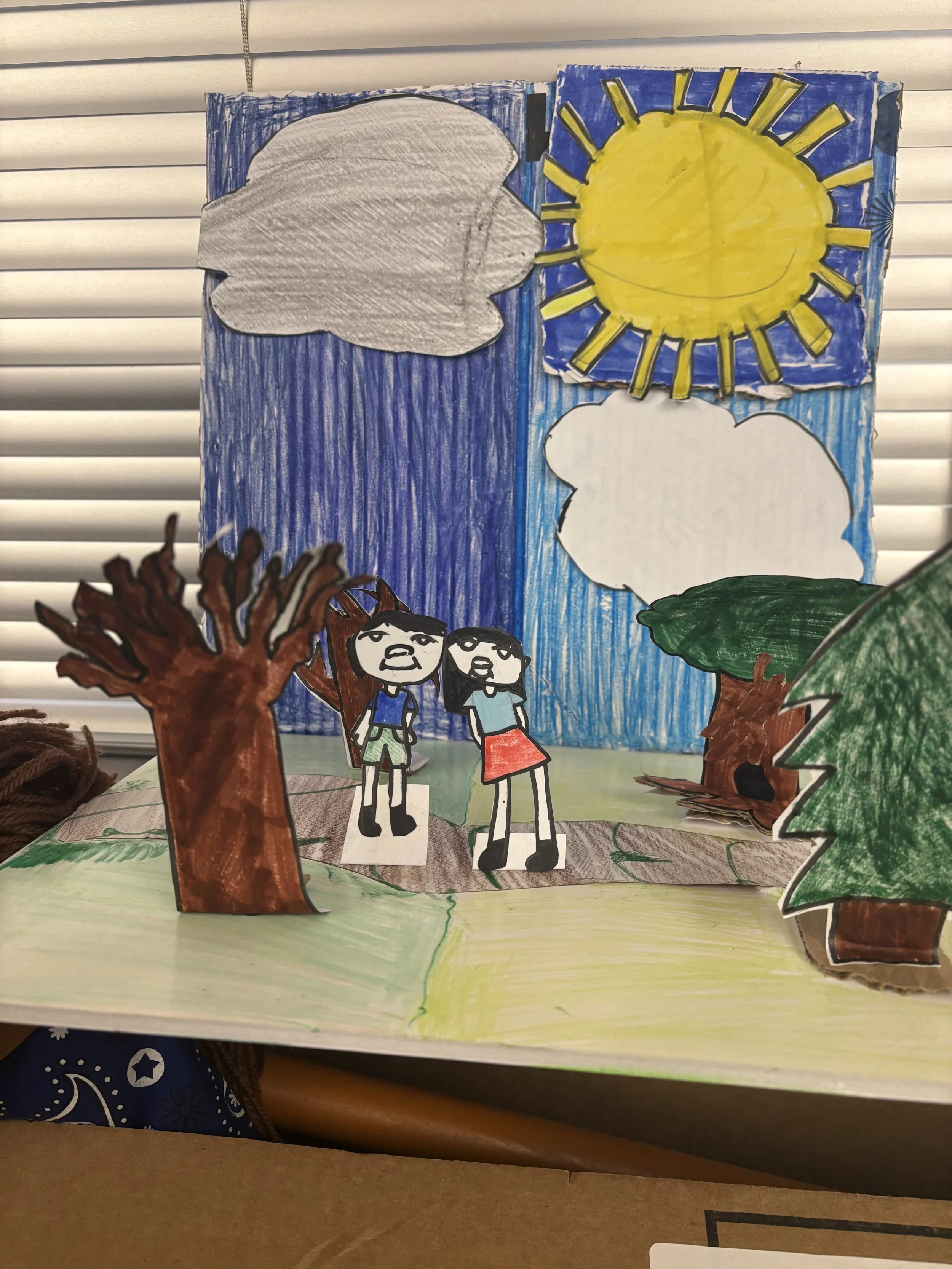
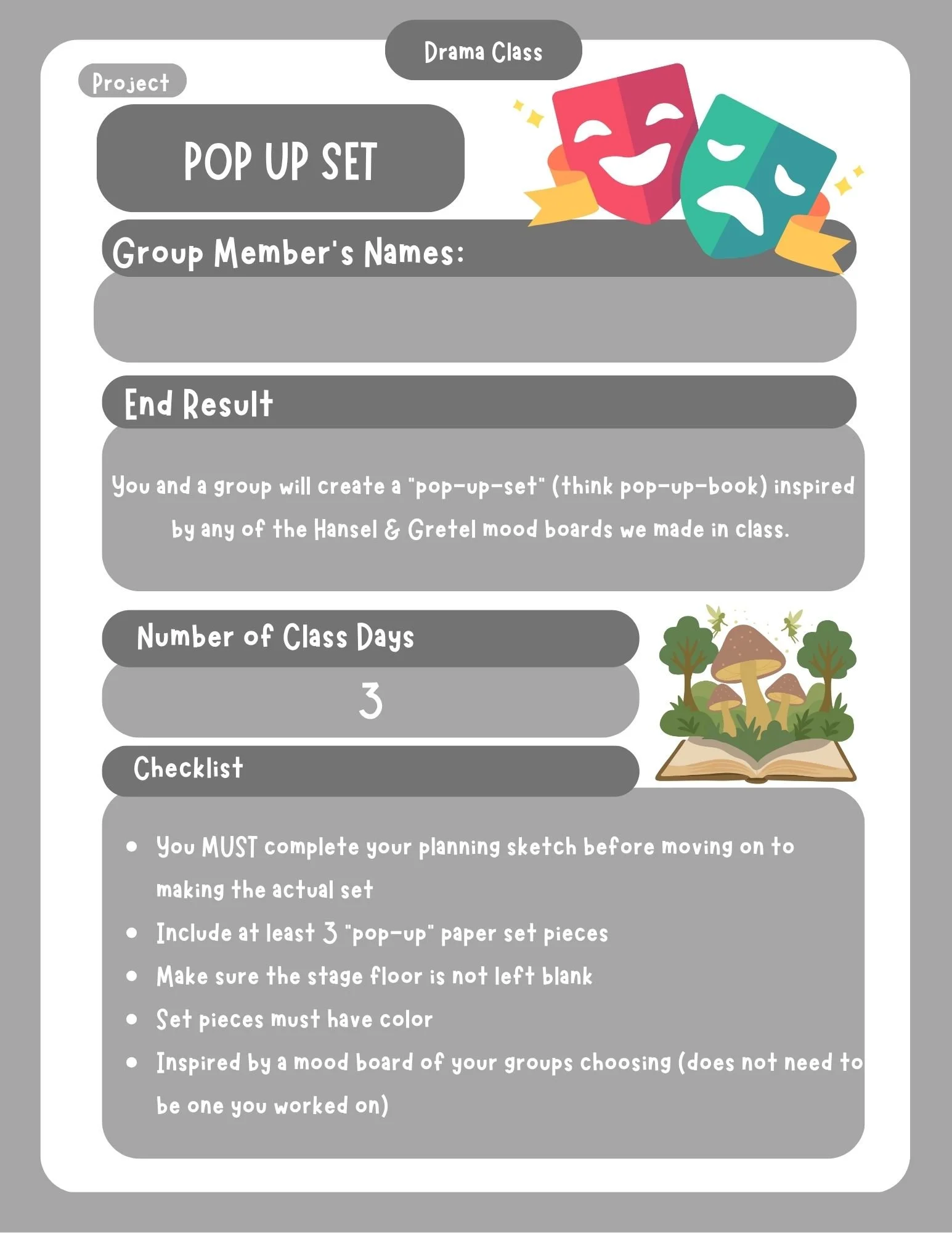
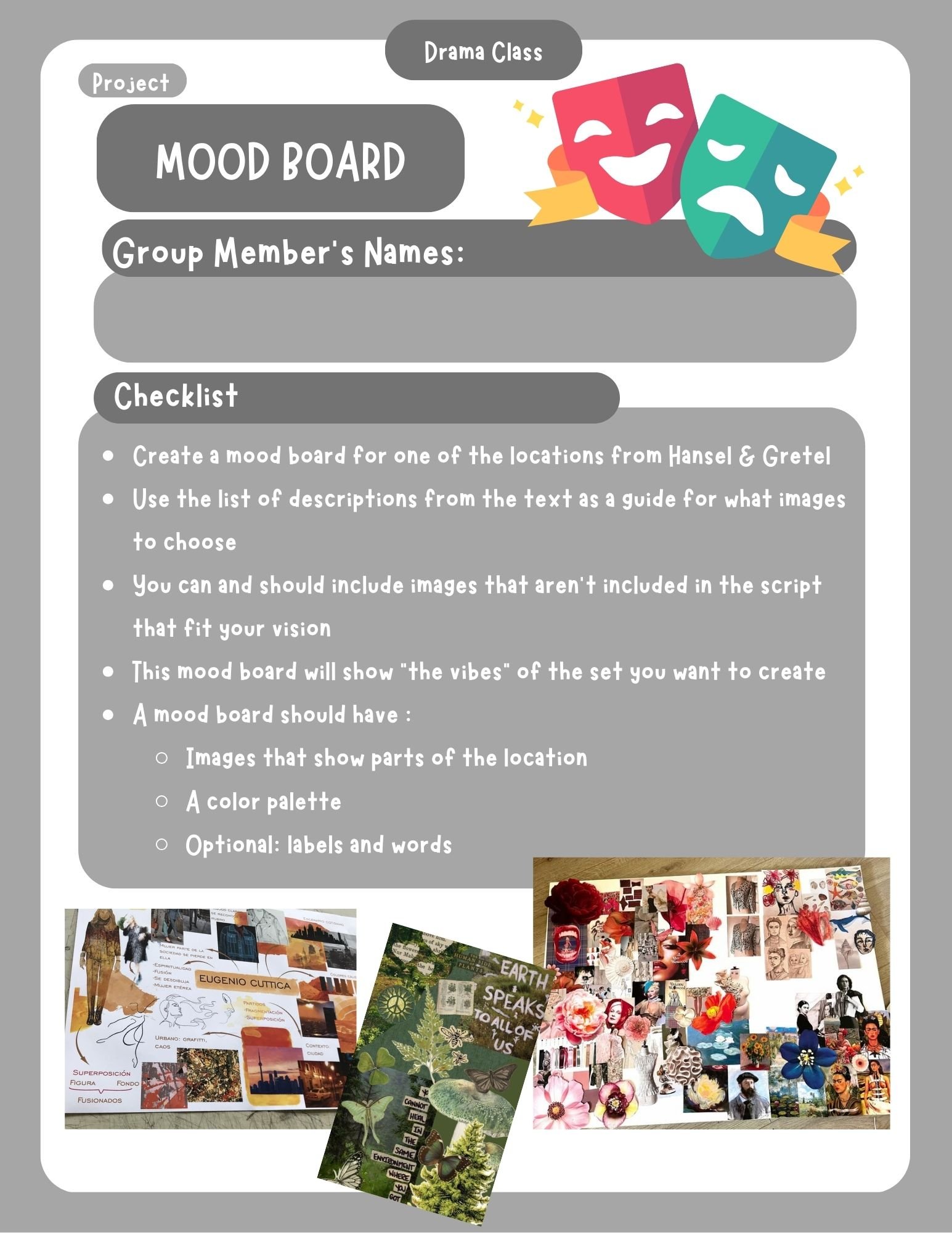
Hansel & Gretel Scenic Design Unit
6th & 8th-grade unit on scenic design surrounding the story of Hansel & Gretel


References
Bethany Nelson
Associate Professor & Head of Undergraduate Theatre Education, Emerson College
Maggie Magner
Director of Summer and Auxiliary Programs at The Fenn School
Brittany Daily
Winthrop Middle School Drama Teacher
Tom Doucette
Quincy High School Drama Teacher